
 by Maksim Dzialendzik | September 10, 2026
Global ambition, local opportunity: didlogic supports Kenya’s BPO vision
Helping Kenyan call centers reach international markets, raise service standards, and open the door to more jobs and lasting careers.
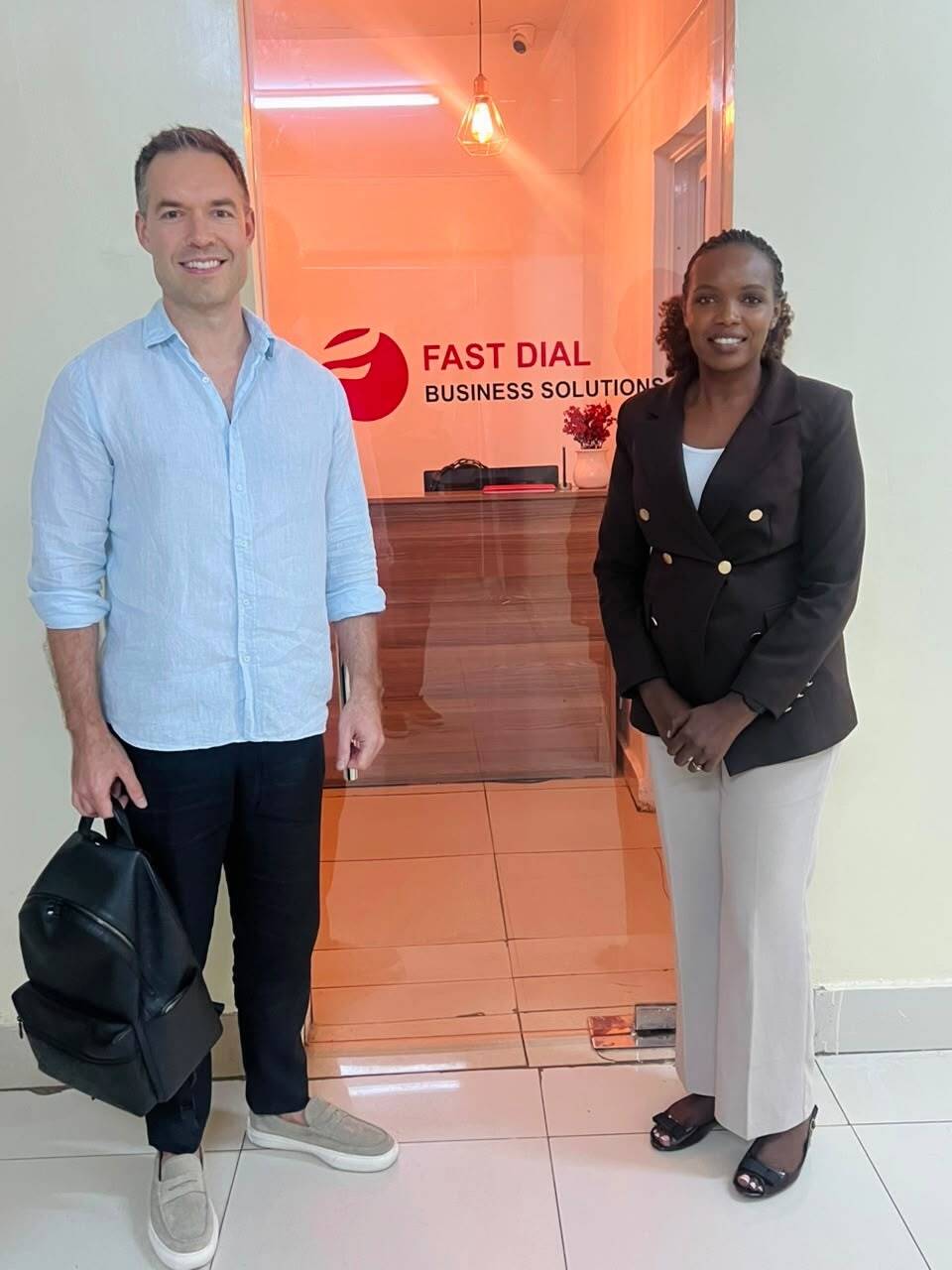
For Sharon Chepchumba, CEO of Fast Dial Business Solutions, the ambition is clear: help make Kenya the world’s number one destination for business process outsourcing (BPO), with that success creating jobs and career opportunities for people at home.
It is a vision that connects international business growth with local opportunity. Each new client relationship has the potential to support a larger team, develop new skills, and give more people a place in a globally connected industry.
didlogic CEO Alex Kloc met Sharon during his visit to Kenya, alongside meetings with local BPO representatives and call center operators and attendance at ITW Africa in Nairobi on September 7–10, 2026.
For didlogic, the visit was an opportunity to explore how its international voice connectivity and outbound calling tools can help Kenyan operators pursue that ambition. By bringing together local expertise and global communications infrastructure, didlogic and Kenya’s BPO community can work toward a higher standard of service for international clients and a stronger foundation for growth at home.
Connecting teams in Kenya with customers abroad
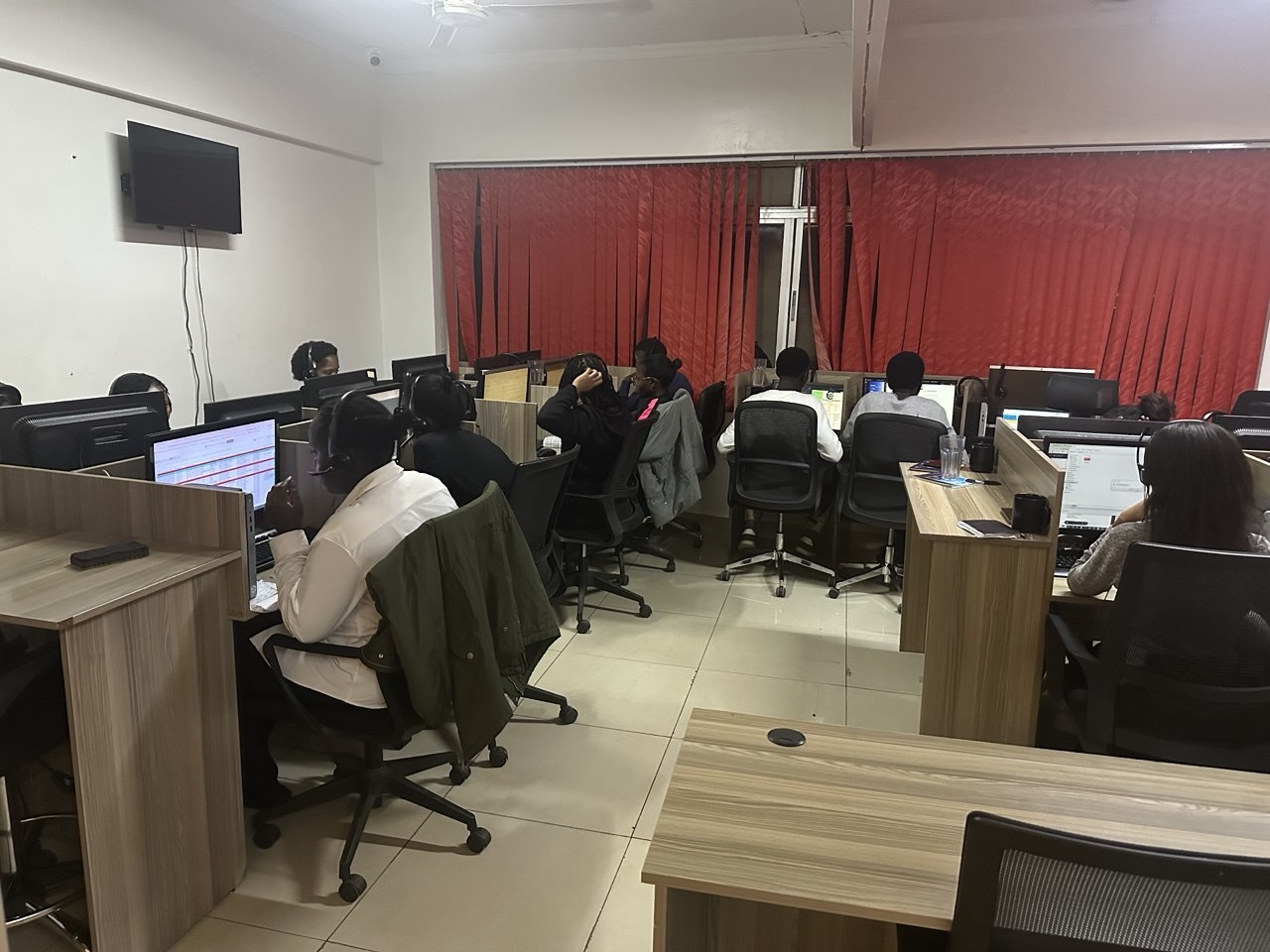
For a Kenyan call center, taking on an international client means delivering a dependable service across borders. Agents need clear conversations, reliable outbound connections, and numbers customers can call back.
The calling setup also needs to work efficiently. As campaigns grow, operators need tools to manage caller IDs, check number reputation, and reduce the time agents spend waiting between conversations.
didlogic’s voice infrastructure can support these operations by connecting contact center platforms to international telephone networks. Combined with the right calling tools, it gives teams in Kenya a foundation for serving customers in other markets.
Sharon wants Kenya to be the first country an international business thinks of when it needs a BPO team. I like that ambition, especially because of what it could mean for the people working there. A new contract can mean someone’s first job, a chance to learn, or a step up to leading a team. We want to play our part by giving local operators the voice connectivity and tools to deliver a service they’re proud of, win their clients’ trust, and grow.
CEO, didlogic
Practical tools for outbound BPO teams
For local BPO operators, number management and dialing efficiency are important parts of the service they deliver. A setup built around didlogic’s connectivity can bring together several capabilities.
Number rotation
didlogic’s CLI rotation feature allows operators to manage a pool of caller IDs for outbound calling. This supports teams handling multiple campaigns and client accounts, using approved numbers appropriate to their destinations and calling requirements.
Spam reputation checks
Checking whether outbound numbers are flagged as spam helps operators identify reputation issues that may affect customer trust and answer rates. These checks give teams information to investigate problems and review their calling practices.
Automated predictive dialing
A connected predictive dialer can automatically place calls and adjust the dialing pace around expected agent availability, helping reduce manual dialing and waiting time. didlogic provides SIP connectivity for compatible dialer platforms, carrying calls to the destination networks.
Together, number rotation, reputation checks, and predictive dialing can help operators manage outbound activity more effectively. The configuration should fit the campaign, destination requirements, and the team’s capacity to handle answered calls.
Supporting international service delivery
Alongside outbound tools, Kenyan BPOs need connectivity that supports both incoming and outgoing customer conversations.
Through virtual phone numbers, operators can receive calls on numbers in supported overseas markets and route them to agents in Kenya. This allows a local team to handle customer service for an international client. Number availability and registration requirements vary by country.
didlogic’s outbound voice services connect compatible contact center platforms to fixed and mobile networks. Operators can plan their setup around the countries they call, expected traffic, caller ID requirements, and capacity.
Before launching or expanding a campaign, testing call completion, audio quality, and callbacks helps establish whether the service is ready for the client’s needs.
Building an industry that creates careers
Kenya’s BPO ambition carries a human promise: more opportunities for people to build a career while serving businesses around the world.
As local operators attract and retain international clients, growth can create roles for customer service agents, supervisors, trainers, quality assurance specialists, and technical teams. It can also create room for progression, with experienced agents moving into leadership and helping the next generation develop their skills.
Turning that potential into lasting employment requires businesses that clients trust and continue to invest in. Service quality, effective training, and dependable technology all contribute to that foundation. The goal is to build teams and client relationships that can grow together over time.
Raising the standard together
Sharon’s ambition to put Kenya at the forefront of global BPO gives these conversations a clear direction. Local operators bring their people, experience, and determination to build outstanding businesses. didlogic brings international voice capabilities that can help those businesses connect with customers across borders.
Together, there is an opportunity to deliver better customer experiences, support more demanding international accounts, and strengthen Kenya’s position as a destination for outsourced services.
The visit marks a step toward that shared ambition. For didlogic, supporting Kenyan BPOs means helping build the communications foundation on which stronger businesses, new jobs, and lasting careers can grow.
Running a call center in Kenya?
Talk to didlogic about international numbers, outbound calling tools, and connectivity for your contact center.