





Local numbers and SIP trunking for healthcare
Give patients abroad a local number to call, connected to the phones you already use. Numbers in 140+ countries, with low-cost callbacks worldwide.
Trusted by
Built for clinics and the teams that handle patient calls
Dental and medical clinics
local numbers so international patients reach you, connected to your phones
Health tourism and cross-border care
inquiries, quotes, and follow-ups in patients' home countries
Multi-site healthcare groups
one voice setup across clinics, regions, and borders
Patient contact centers and BPOs
inbound and outbound calls at volume
AI voice agents
automate booking, reminders, and after-hours calls
Why a local number changes how many patients reach you
Local numbers get answered
a foreign number gets ignored; a local one in the patient's country gets dialed far more often
Missed calls, lost bookings
reliable routing and after-hours handling keep inquiries from slipping away
Lower callback costs
direct carrier routing keeps outbound rates low when you call patients back abroad
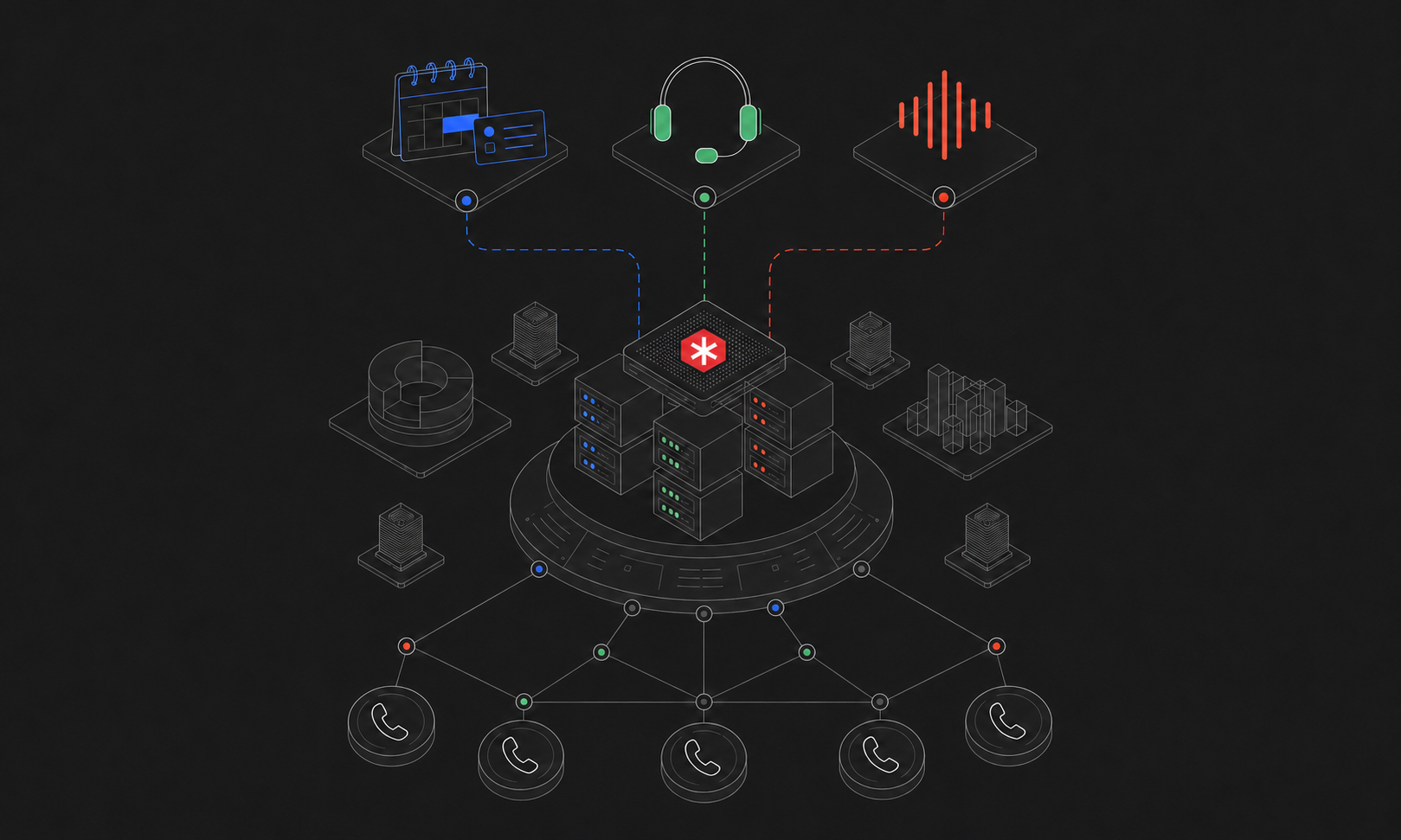
Numbers, SIP, and low-cost calling in one network
How to get a number and connect your phones
didlogic provides the numbers and the SIP trunk. Your phone system or team answers, routes, and records as you do today.
1
Register and verify
Sign up through one form and pass a quick compliance check. 2
Pick your numbers
Choose local or toll-free numbers in the countries your patients call from. 3
Connect your phones
Point the numbers to your PBX, softphones, or current phone system over SIP. A specialist helps with setup. 4
Go live and add more
Start taking calls, then add countries, capacity, or an AI voice agent as you grow. How didlogic protects patient calls
didlogic carries voice over encrypted transport, TLS for signaling and SRTP for media, so patient calls are protected in transit. Operations are ISO/IEC 27001:2022 and ISO 9001:2015 certified, with access controls and fraud monitoring on the network. You keep control of how patient records and recordings are stored.
didlogic vs legacy lines vs a generic API platform
| What you are comparing | Legacy PSTN / ISDN lines | Generic CPaaS API | didlogic |
|---|---|---|---|
| Network | Carrier-dependent | Cloud-abstracted, shared | Own network, AS13006, 12 PoPs, no-cloud |
| Local numbers by country | Limited, slow to add | Catalog varies | Local and toll-free in 140+ countries |
| Outbound call rates | High, per line | Varies by vendor | Low, direct carrier routing |
| Routing control | Low | Abstracted | Direct carrier routing and CLI control |
| Call encryption | Often none | Usually TLS and SRTP | TLS signaling, SRTP media |
| Lock-in | High (hardware, contracts) | Platform lock-in | Lower lock-in, keep your phones |
| Setup support | Telco-paced | Self-serve docs | A specialist assists onboarding |
Voice infrastructure operating since 2006
Tier 1 Connections
Direct interconnects with leading MNOs and telcos in 107 countries.
12 Points of Presence
Including 4 Network Operations Centers for maximum uptime.
140+ Countries
Coverage and local numbers — even in regulated territories.
World-Class Support
Rapid assistance with response times of under 5 minutes
Certified operations
ISO/IEC 27001:2022 and ISO 9001:2015.
5000+ Customers
Powering over 100 million monthly call minutes globally.
Why a local number changes how many patients reach you
International patient communication has three problems that a single national line cannot solve.
- Patients hesitate to call a foreign number. A local number in their own country gets dialed and answered far more often.
- Missed and dropped calls are lost bookings. Reliable routing and after-hours handling keep inquiries from slipping away.
- Calling patients back abroad gets expensive. Direct carrier routing keeps your outbound rates low.