




Wholesale VoIP & A-Z Termination
What is wholesale VoIP?
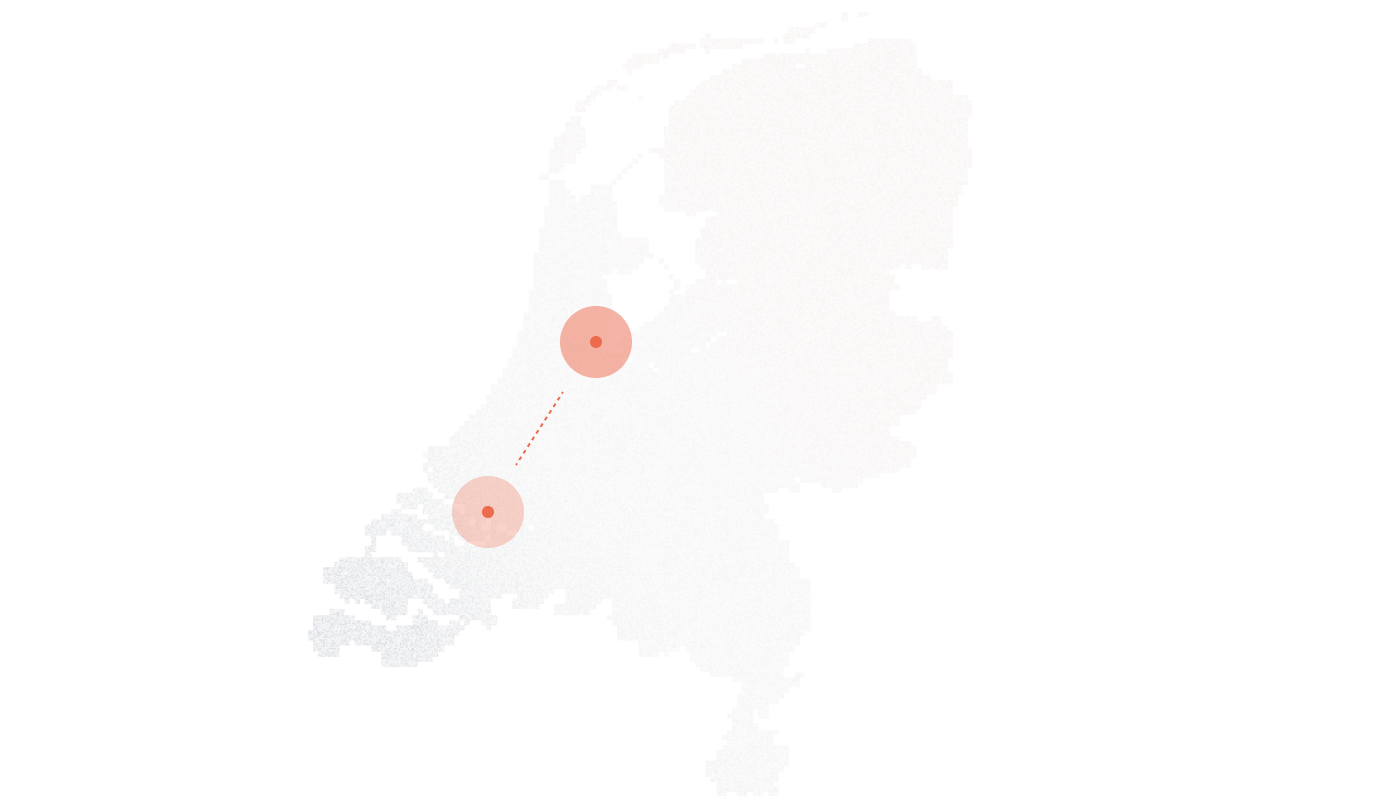
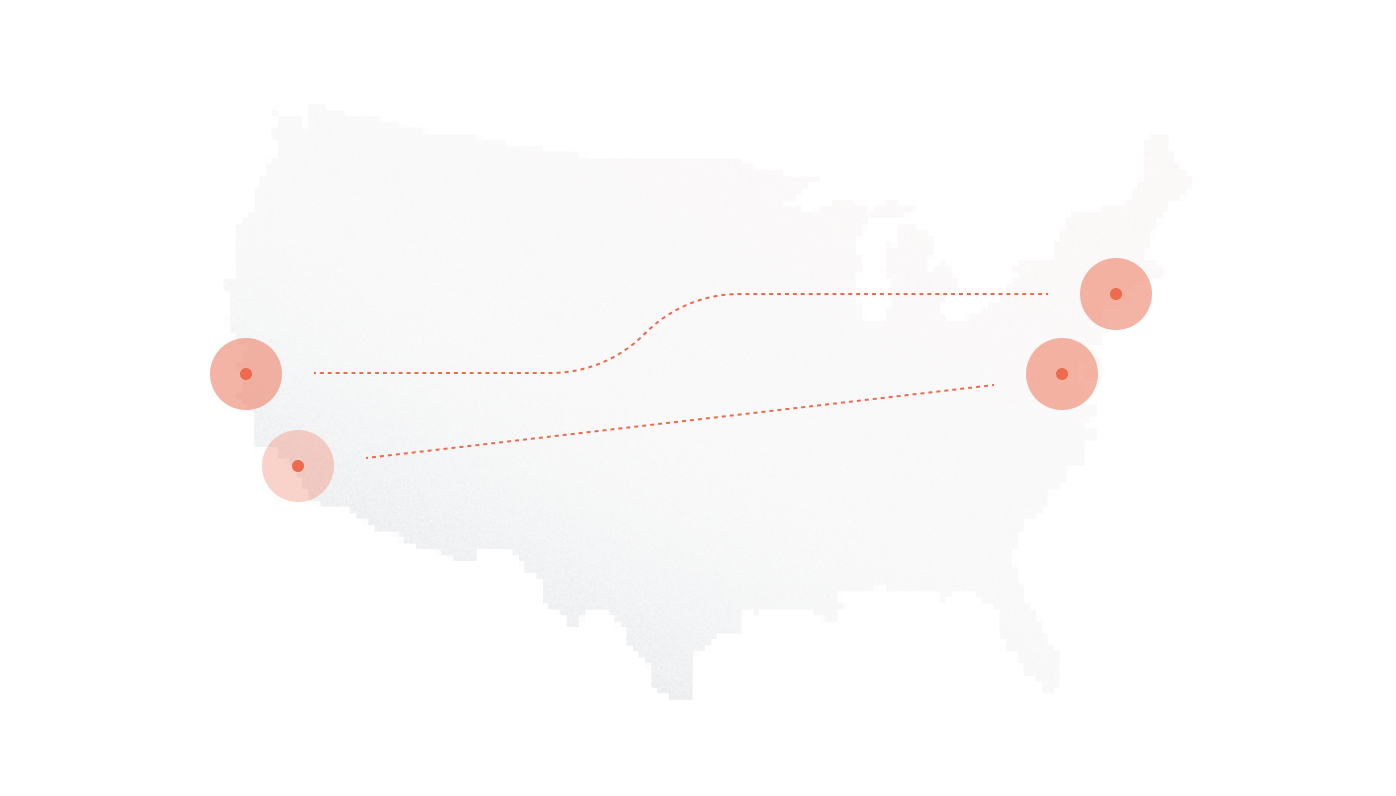
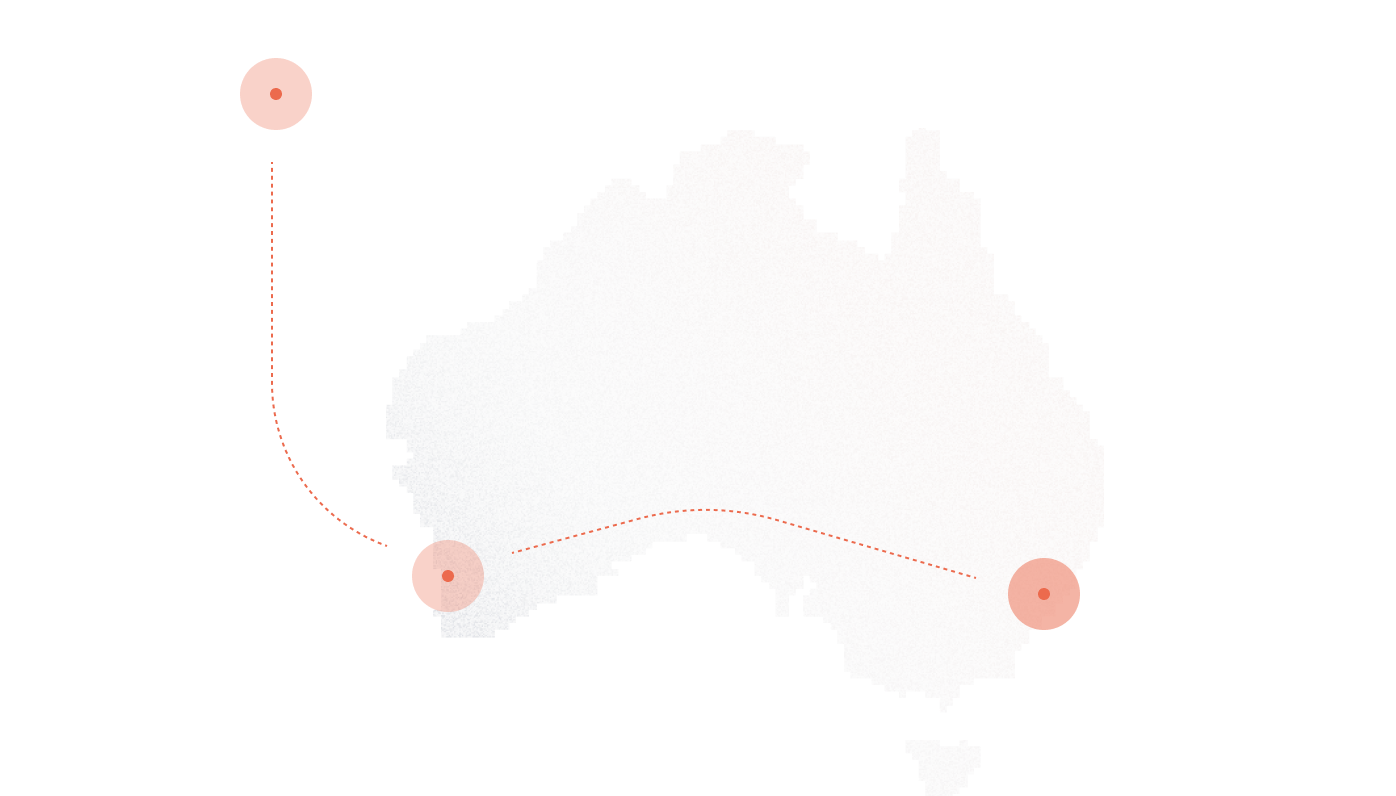
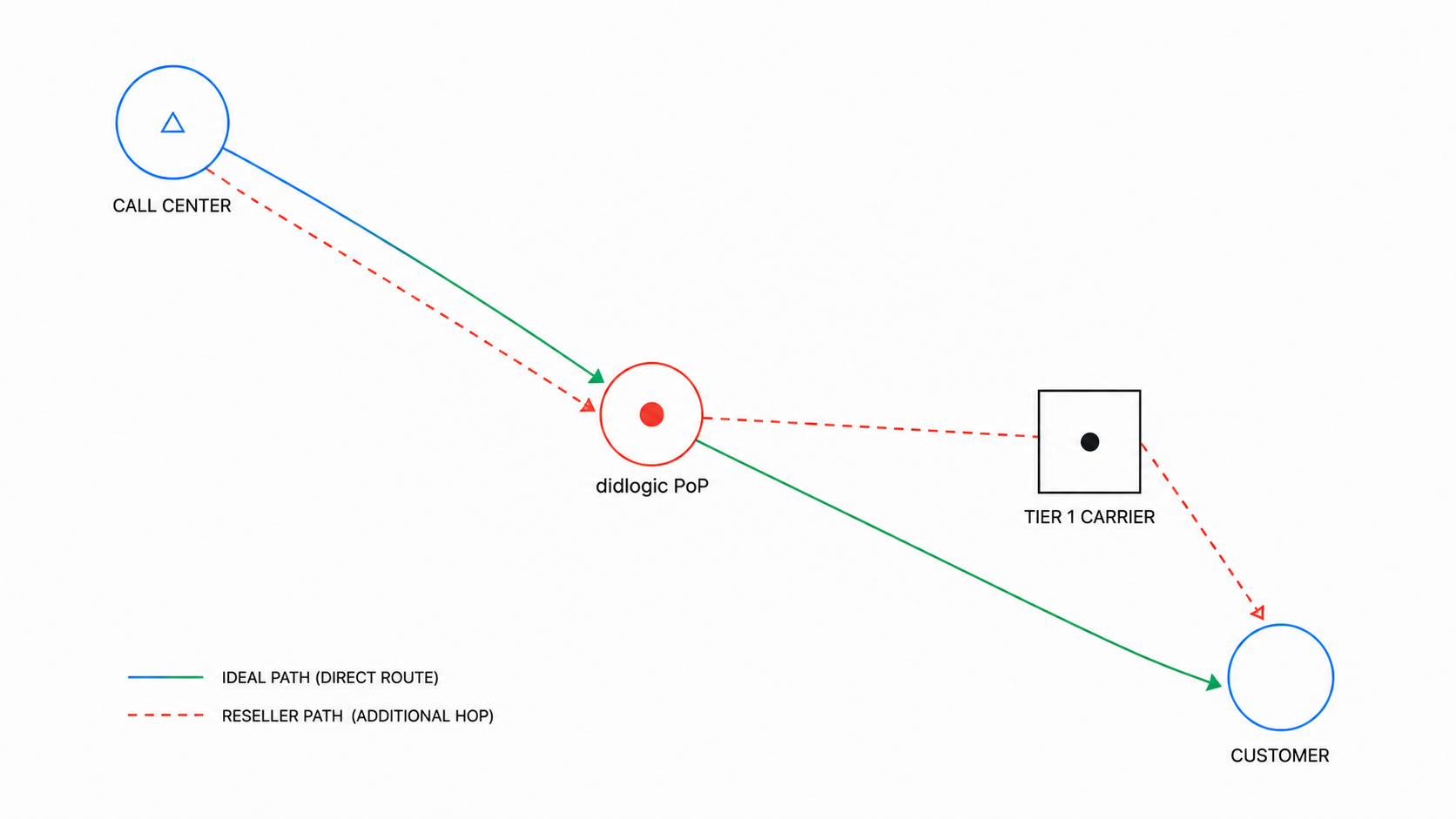
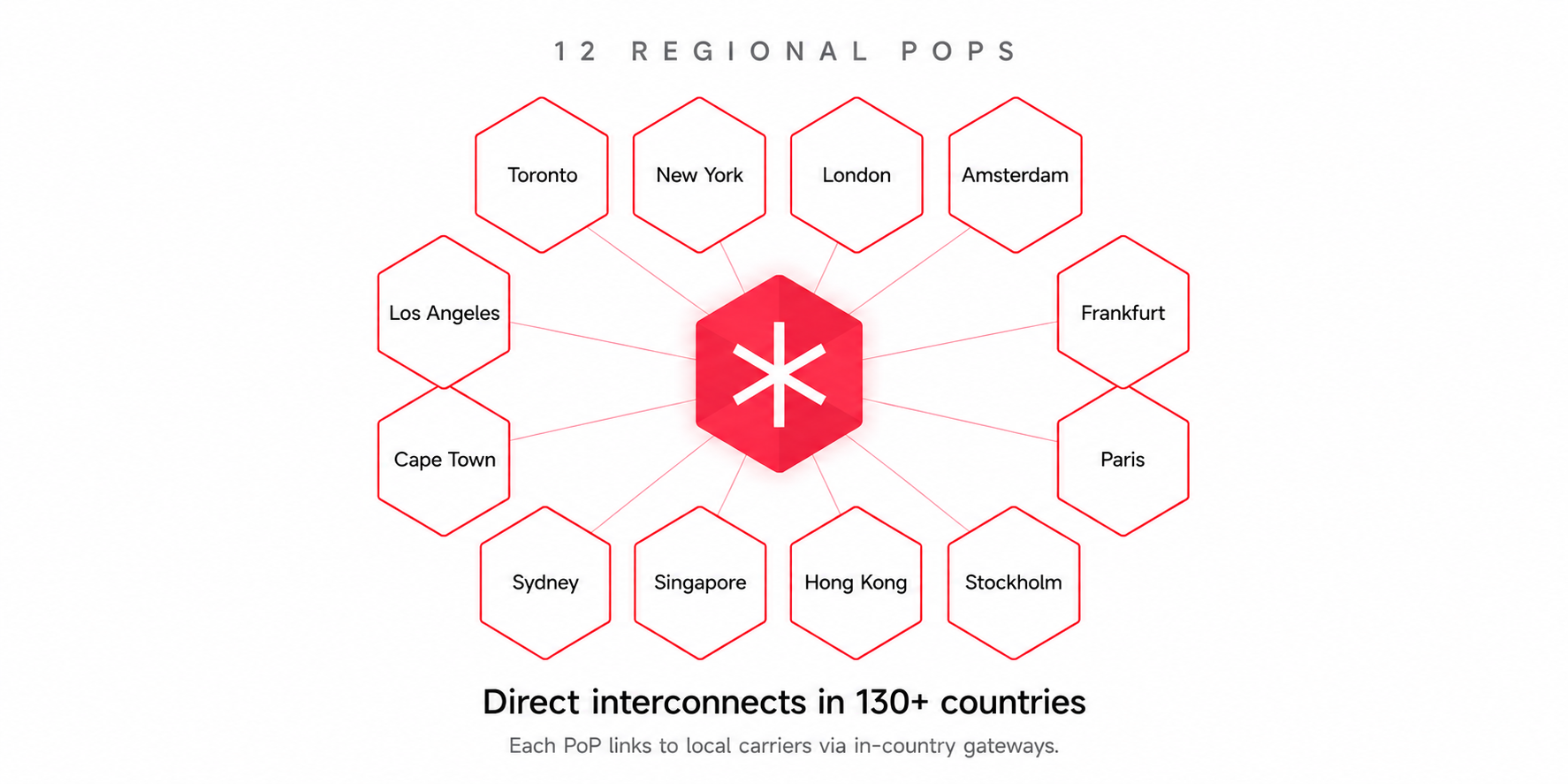
A real wholesale provider owns the network and holds direct relationships with destination carriers. A reseller buys those routes from someone else and adds margin. didlogic operates its own Autonomous System (AS13006), 12 physical PoPs across four continents, and 240+ direct carrier agreements covering 130+ countries, with no third-party aggregation between your traffic and the destination.
Why carriers and resellers choose didlogic among wholesale VoIP providers
Live in 24 hours: how termination works with didlogic
Global coverage: 130+ countries, 12 regional PoPs
| Capability | didlogic | Typical Resellers |
|---|---|---|
| Country coverage | 130+ | 30+ |
| Per-channel fees | None | Yes |
| CLI / non-CLI route choice | Yes, per destination | Limited or single route type |
| Free test trunk | Yes, same day | No |
| Owned Autonomous System | Yes (AS13006) | No |
| Tier 1 IP transit | PCCW, GTT, Telia, NTT | Variable |
| Licensed local voice | 17 countries | Limited/No |
| Billing increments | 1-second | Often 6/6 or 30/6 |
Who buys wholesale VoIP from didlogic
See SIP trunks for AI voice agents →
FAQ: Wholesale VoIP
What is wholesale VoIP termination?
Wholesale VoIP termination is the bulk routing of outbound calls from a customer’s network — typically a carrier, ITSP, or VoIP reseller — to the public phone network in destination countries. The wholesale provider handles carrier interconnects, codec negotiation, CLI presentation, and billing reconciliation, allowing the customer to deliver outbound voice without owning carrier relationships in every market.
What's the difference between wholesale VoIP and SIP trunking?
SIP trunking is the technical protocol used to deliver voice over IP. Wholesale VoIP describes the commercial model — bulk minutes sold to carriers, ITSPs, and resellers at carrier rates. Most wholesale VoIP services are delivered over SIP trunks, but a SIP trunk for a single business is not a wholesale arrangement. The difference is volume, pricing tier, and the buyer profile.
What's the difference between CLI and non-CLI routes?
A CLI route preserves the original calling-line identification through to the recipient’s phone. A non-CLI route delivers the call but presents a substituted or generic caller ID. CLI routes cost more and have higher pickup rates; non-CLI routes are used where presentation isn’t required and cost matters more — typical for internal dialer traffic or notification calls.
How does wholesale VoIP pricing work?
Pricing is per-minute, per destination, with rates that vary by route type (CLI or non-CLI) and volume tier. didlogic charges no per-channel fees and no setup fees on standard accounts. Billing is post-paid for established accounts and pre-paid for new accounts. Rate changes are notified in advance per carrier industry standard practice.
What ASR and ACD should I expect on didlogic routes?
ASR (Answer-Seizure Ratio) typically runs 35–55% on tier-1 CLI routes and 25–40% on tier-1 non-CLI routes. ACD (Average Call Duration) varies by traffic type — sales dialer traffic averages 90–180 seconds, customer support averages 4–8 minutes. Detailed metrics are available per destination in the portal.
What codecs does didlogic support?
G.711 (a-law and μ-law), G.729, and G.722 (HD wideband). Codec selection is negotiable on a per-trunk basis. T.38 fax is supported on dedicated trunks.
How is didlogic different from Bandwidth, Twilio, or Telnyx?
didlogic is the wholesale carrier underneath your CPaaS, not a competing CPaaS. We don’t sell APIs to embed voice in apps and we don’t operate a competing AI voice product, so we don’t compete with you for end customers. We sell carrier-grade A-Z termination at carrier rates with direct interconnects in 130+ countries. If you need developer APIs to build voice into a SaaS product, a CPaaS fits. If you need wholesale termination for a carrier, ITSP, dialer, or AI voice platform, didlogic is purpose-built.
What's the minimum commitment?
None on standard accounts. Pay only for what you use. Volume pricing applies above set thresholds. Dedicated interconnects with private Ethernet links require a service order with mutually agreed terms.
Do you support fraud protection?
Yes. Real-time monitoring on every account with destination caps, daily spend limits, and CPS limits configurable in the portal. Suspicious patterns trigger alerts and optional auto-suspension. NOC team monitors traffic patterns 24/7.
How fast can I go live?
Most teams move from signup to first paid traffic in under 24 hours on a standard SIP-over-internet setup. Private Ethernet interconnects typically take 3–5 business days. Same-day provisioning is the default for standard accounts.
Can I port my existing wholesale numbers to didlogic?
Yes. didlogic supports paperless LNP in 8 countries and manual porting in most others. Porting is bidirectional — if didlogic isn’t right for you, port-out is fully supported with no fees.
What's your published SLA?
We target 99.99% network availability on the didlogic core. Service credits and full SLA terms are in the master service agreement provided during onboarding.
Sign up, send live traffic, verify ASR and audio quality before you commit. No contract on standard accounts. No per-channel fees. No minimum spend.